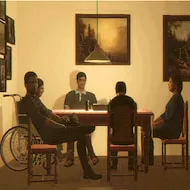
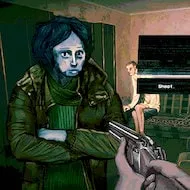
TungTung’s Nightmare gives you exactly one piece of information: a counter reading 0/6, chalked onto a dining table, with no tutorial and no explanation of what happens once you reach six.
Where TungTung’s Nightmare Gets Its Antagonist
The premise borrows from the Tung Tung Tung Sahur meme, the AI-generated Indonesian character built around the kentongan drum traditionally beaten before dawn to wake people for suhoor, the pre-fast meal during Ramadan. TungTung’s Nightmare turns that chant and the missed wake-up call into a literal threat stalking the house.
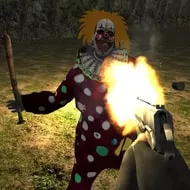
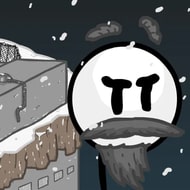
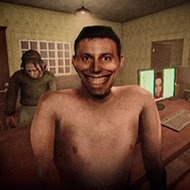
Tungtung is the sausage-bodied figure with long swinging arms and a fixed, uncanny grin, designed to look almost funny until it’s standing directly behind you. The 0/6 counter is the game’s entire interface, the only feedback for whether the food you grabbed actually counted. Suhoor is the real pre-dawn meal the chase loop is built around, and knowing that makes the ticking counter feel less arbitrary.
How TungTung’s Nightmare Runs Its Six-Item Loop
The loop stays simple on paper: wake up, gather food, avoid Tungtung, repeat until the counter reads 6/6, and that simplicity is part of what makes the game feel almost mean the first time you die without warning. What trips up first-time players is the total absence of guidance, so early attempts get spent bumping through rooms figuring out where items spawn.
Once you’ve located the item spots, a clean run takes well under ten minutes, though almost nobody clears it on the first try. Getting caught means an immediate jump scare and a restart rather than a lengthy death sequence, which is why most players run it back within seconds instead of walking away frustrated. Casual players treat each death as a joke shared with whoever’s watching, while completionists keep resetting until they’ve mapped the whole house from memory.
What makes TungTung’s Nightmare stick after one sitting isn’t length, since there’s barely any, but the way it takes a chant most players already know from their phone feed and turns it into something that goes quiet right before Tungtung’s arms swing into view behind you.