
Horror Games
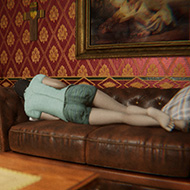
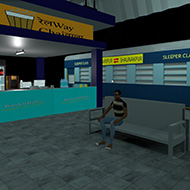
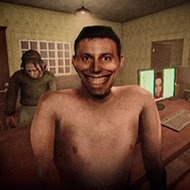
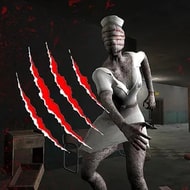


Horror Games offer a thrilling experience that combines tension, strategy, and immersive storytelling. Players enter worlds where fear and uncertainty shape every decision, and survival depends on careful observation, quick thinking, and the ability to face unexpected dangers. In this category, the thrill comes from more than just jump scares; it stems from the intricate design, suspenseful atmospheres, and the challenges that test both skill and nerve.
Exploring Suspenseful Environments
One of the key elements that define Horror Games is their environments. Every corridor, abandoned house, and shadowy forest is designed to create tension. Players often need to:
- Navigate complex layouts while avoiding threats.
- Examine objects that may hold clues or dangers.
- Interpret audio and visual cues to predict events.
- Adapt to sudden changes in the game world.
- Use environmental tools to survive or escape.
The atmosphere is a critical component, often enhanced by lighting, sound effects, and subtle visual cues that encourage players to stay alert and cautious.
Character Survival and Strategy
In Horror Games, success relies heavily on the choices players make. Characters often face situations where every decision can determine survival. Common strategic elements include:
- Resource management, such as controlling ammunition, health, or tools.
- Deciding when to confront or evade threats.
- Using stealth to avoid detection by enemies.
- Solving puzzles to access safe areas or advance the plot.
- Balancing risk versus reward in critical situations.
This strategic depth makes Horror Games engaging for players who enjoy challenges beyond mere reflexes or action.
Puzzle and Investigation Mechanics
Many Horror Games incorporate complex puzzles and investigative elements. These often require players to piece together information from the environment or narrative. Examples include:
- Finding hidden objects that reveal backstory or essential items.
- Interpreting cryptic messages, symbols, or codes.
- Exploring multiple paths to uncover secrets.
- Analyzing patterns to solve traps or challenges.
- Tracking the movements and behaviors of in-game entities.
Puzzles in Horror Games not only add variety but also heighten suspense, forcing players to engage their minds under pressure.
Psychological Tension and Fear
Horror Games often explore psychological tension, where fear is driven by anticipation and uncertainty rather than direct threats. Key factors that contribute to this include:
- Unexpected events or sudden changes in the environment.
- Audio cues that create unease or signal danger.
- Minimalistic visuals that allow imagination to amplify fear.
- Ambiguous threats, leaving players uncertain about what is real.
- Progressive tension that builds throughout levels or chapters.
Such elements make Horror Games more than just a physical challenge; they test emotional resilience and perception, creating a gripping experience.
Variety of Threats and Challenges
Horror Games often feature diverse threats that require different approaches. Players may encounter:
- Hostile creatures that require careful evasion or confrontation.
- Environmental hazards like traps, collapsing structures, or hidden pitfalls.
- Psychological adversaries that manipulate perception or control the environment.
- Puzzles or challenges that must be solved under time pressure.
- Dynamic events that change each playthrough, increasing replayability.
This diversity ensures that players must remain adaptable and alert, making each session distinct and unpredictable.
Immersive Storytelling and World-Building
Storytelling in Horror Games often complements the fear factor by placing players in rich, immersive worlds. Narrative techniques can include:
- Exploring journals, audio logs, or environmental clues that reveal past events.
- Experiencing character interactions that create empathy or tension.
- Encountering multiple possible endings based on decisions made.
- Engaging in moral dilemmas that impact the game world.
- Uncovering hidden lore that deepens the sense of immersion.
Through storytelling, Horror Games not only evoke fear but also encourage players to understand and engage with the world on a deeper level.
Multiplayer and Cooperative Experiences
Some Horror Games allow players to face fears together, adding a social layer to tension. Cooperative elements often include:
- Coordinating strategies to survive encounters.
- Sharing resources and information to progress.
- Managing roles such as scout, defender, or investigator.
- Reacting to unpredictable behavior of other players in real time.
- Building teamwork to overcome increasingly difficult threats.
These experiences can intensify the sense of suspense, as players must rely on each other to navigate dangerous situations effectively.
Replayability and Challenge Modes
Horror Games often include elements that encourage replayability. New challenges can arise through:
- Randomized environments or enemy placements.
- Difficulty modes that alter threat behavior or puzzle complexity.
- Alternative story paths or hidden objectives.
- Time-limited or score-based challenges that reward skillful play.
- Unlockable content that changes game dynamics.
These features ensure that players can experience suspense and challenge differently with each session, keeping the gameplay engaging over time.
Overall, Horror Games provide a multifaceted experience that blends tension, strategy, and storytelling. They challenge players to think critically, react under pressure, and explore immersive worlds while confronting fear in unique and compelling ways. This category offers a wide variety of experiences, ensuring that every player can find something to engage with, whether through solitary exploration, cooperative play, or intense survival challenges.