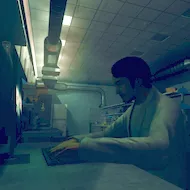
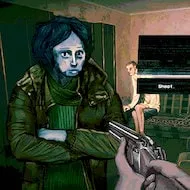
You think you’re finally clear of the tunnels when Subway Horror: Chapter 2 opens, and within the first few minutes it makes sure you understand you were wrong about that.
Back Underground, On Purpose This Time
Chapter 2 picks up with John having escaped the station at the end of the first game, only to realize almost immediately that whatever was hunting him down there hasn’t stopped. Subway Horror: Chapter 2 sends him back into the tunnels voluntarily, which changes the emotional register of the whole game compared to the first chapter’s escape-driven urgency.
Where Chapter 1 was about getting out, this entry is about understanding why staying gone was never actually an option, and that shift in motivation reshapes how the tunnels themselves are paced.
The Family Thread the First Chapter Only Hinted At
The story here starts pulling on a thread the first game left mostly buried: John’s family history is tied directly to experiments that produced the creatures stalking the tunnels. Piecing that connection together becomes as much a part of progress as any single puzzle, and players who skimmed notes and graffiti in Chapter 1 find themselves at a real disadvantage here, since Chapter 2 assumes you’re already invested in that backstory.
By the time you’re deep enough to reach the hidden underground base where the experiments were actually run, the game reframes the entire first chapter as setup rather than a self-contained scare.
New Tunnels, Familiar Spray-Can Logic
- Spray-can icon puzzles returning from the first chapter, now layered with tighter time pressure
- New sections of tunnel that weren’t accessible during the original escape
- Notes and graffiti that reference the underground base rather than the station itself
- Traps positioned more aggressively along paths the game expects you to sprint through
The spray-can puzzle format carries over from Chapter 1 largely unchanged, which rewards returning players immediately, but the pacing around those puzzles tightens considerably. Completionist players who want every note and every graffiti tag face a real cost here, since dawdling in the wrong tunnel section draws attention faster than it did the first time around.
The Base Changes What the Threat Actually Is
Reaching the hidden base recontextualizes the vague, shadow-bound threat from Chapter 1 into something with an actual origin, tied to consciousness experiments rather than an unexplained haunting. That reveal is divisive among players who preferred the first chapter’s ambiguity, since giving the horror a concrete explanation trades some of that original mystery for narrative payoff.
Players chasing story clarity tend to find Chapter 2 the more satisfying half of the pair, while players who valued the first game’s restraint sometimes feel the explanation undercuts what made the tunnels scary to begin with.
Do you need to finish Subway Horror: Chapter 1 before playing Chapter 2?
You can follow the moment-to-moment gameplay without it, but the emotional weight of John returning underground voluntarily, and the payoff around his family’s connection to the experiments, depends heavily on already knowing how the first chapter ended.
What’s new about the puzzles in Subway Horror: Chapter 2?
The spray-can icon system returns largely intact, but time pressure around solving them increases, and several puzzles now reference the underground base’s layout rather than the original station’s graffiti alone.
Is the threat in Chapter 2 the same as the Inspector-style figure from Chapter 1?
The threat is tied to the same underlying experiments hinted at throughout the tunnels, and reaching the hidden base gives that presence a concrete origin rather than leaving it as an unexplained figure in the dark.
Subway Horror: Chapter 2 earns its place as the darker half of John’s story by turning a voluntary return into the tensest stretch of the whole series so far, and it’s the hidden base beneath the tunnels, more than any single spray-can puzzle, that players end up talking about once the credits roll.