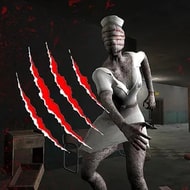
What is actually waiting for Nick at the bottom of that abandoned station in Subway Horror: Chapter 1, and why does the platform feel wrong before anything even happens?
What Subway Horror: Chapter 1 Throws at Nick First
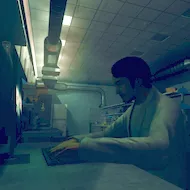
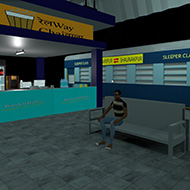
The setup is mundane: Nick is an office worker heading home, and the station he’s trapped in looks like any other until the trains stop and the lights behave strangely. The game never explains why, and that missing exposition drives the unease.
Within the first couple of minutes, most players notice the sound design doing more work than the visuals: screeching brakes with no train in sight, flashing service lights, whispers from the tunnel. By the first few tunnels, the game establishes its real threat isn’t a monster in the traditional sense, but a hostile figure known only as the Inspector, glimpsed more than confronted.
Reading the Station: Notes, Graffiti, and Spray-Can Puzzles
Progress depends on collecting scattered notes and reading graffiti across the tunnels, piecing together why the station was abandoned and who the Inspector is. Several puzzles ask you to match icons with a spray can rather than a lock-and-key sequence, a mechanic new players fumble since nothing early hints spray cans double as puzzle tools.
- Notes and graffiti scattered through side tunnels and maintenance areas
- Spray-can icon puzzles gating access to the next section
- Traps along the main platform that punish careless sprinting
Completionists backtrack for every note, while players focused purely on escaping miss enough context that the Inspector’s motives stay murky right to the ending.
The Inspector Doesn’t Chase the Way You’d Expect
Rather than a constant pursuit, the Inspector surfaces at specific, scripted moments, hiding in shadow until Nick gets too close or too loud. That unpredictability is what players discuss most in community threads. Boss-style encounters later combine action with the same stealth logic, forcing split-second calls about hiding, running, or pushing through a trap.
Where First-Time Players Get Caught
The most common mistake is ignoring the audio cues, since screeching brakes and distant whispers function as warnings, not atmosphere. Players who tune them out wander into an Inspector encounter they could have sidestepped, or rush spray-can puzzles without reading nearby graffiti, since icon sequences reference clues from earlier rooms.
How long is Subway Horror: Chapter 1?
A first blind playthrough runs well under an hour for most players, though stopping for every note and graffiti tag stretches that, and the pacing is built for one focused sitting rather than a long session.
Who is the Inspector in Subway Horror: Chapter 1?
The Inspector is the hostile figure haunting the station, defined by scripted appearances and shadow-bound movement rather than a traditional monster design, and piecing together who they were before the station closed drives the note-collecting thread.
Do you fight back in Subway Horror: Chapter 1?
Combat is limited to specific boss-style encounters blending action with earlier stealth rules; for most of the game, avoiding traps and the Inspector’s line of sight matters far more than direct confrontation.
Subway Horror: Chapter 1 gets its tension from restraint, letting Nick’s flashlight, a handful of notes, and the Inspector’s rare appearances do more work than any jump scare, which is why the station’s silence stays with you afterward.