Most horror games chase you down a hallway. Smile Dog just waits for you to check your inbox.
An Inbox That Already Knows Too Much
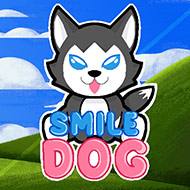
Smile Dog is built entirely around the creepypasta known online as smile.jpg: a supposedly cursed photograph of a grinning husky with unnervingly human teeth, said to drive anyone who views it toward madness unless they pass it along to someone else. The game translates that premise into a simulated desktop where you read emails, open attachments, and slowly realize the messages know details about you that a stranger’s inbox shouldn’t. Early emails read like ordinary spam, but within a handful of messages the tone shifts into something more personal, and some of them read like they’re expecting a reply rather than just informing you of something.
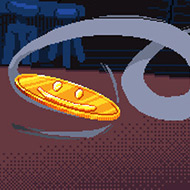
The central task early on is disarmingly mundane: an attachment contains a simple spot-the-difference minigame layered over the Smile Dog image itself, the kind of file that used to circulate on message boards during the era the game recreates. Finding the differences feels harmless right up until the desktop interface itself starts glitching in response to how you play it.
Players quickly notice that the game never breaks from its desktop framing to show you a traditional environment. There’s no hallway to walk down and no jump-scare corridor; every scare has to happen inside emails, file windows, and the increasingly unstable desktop chrome around them, which is a tighter constraint than most horror games set for themselves.
The Spot-the-Difference Attachment
- A spam folder full of throwaway messages that establish the desktop’s ordinary rhythm before anything feels wrong
- Personal-sounding emails that reference things the player hasn’t told anyone inside the fiction
- The Smile Dog attachment itself, wrapped inside the spot-the-difference file
- A reply window that appears once the game decides you’ve looked too closely
What makes the spot-the-difference sequence work is that it’s genuinely a functional minigame first and a horror delivery system second; you’re actually hunting for altered pixels between two near-identical copies of the image, and the discomfort comes from noticing that the differences you’re finding aren’t random art glitches but small, deliberate changes to the dog’s expression.
The game is short enough to finish in a single sitting, and that brevity is intentional rather than a limitation — it mirrors how the original creepypasta spread as a quick, disposable file rather than a long story.
Five Ways the Curse Can End
Smile Dog contains five distinct endings, and reaching anything beyond the most basic one requires paying attention to small details buried in the email chain rather than just clicking through the spot-the-difference puzzle as fast as possible. Some endings reward players who reply to the stranger emails; others punish exactly that same instinct, which means a first playthrough often ends on an outcome the player didn’t expect and immediately wants to reverse.
Because the game leans so heavily on its late-2000s creepypasta roots, longtime fans of the original smile.jpg story tend to hunt for every ending on a first sitting rather than stopping once the credits roll, treating the desktop itself like a puzzle box worth fully picking apart.
Newcomers unfamiliar with the source material sometimes miss that the husky’s grin isn’t just a static illustration; small frame-by-frame changes are hidden throughout the attachment files, and catching them is the entire skill the game is quietly testing you on.
Smile Dog earns its short runtime by trusting a single cursed attachment and a believably cluttered inbox to do all the work, and by the time that reply window opens on its own, the game has already made checking your own email feel like a bad idea.