Rody’s shift at the bistro starts with a simple number scrawled on a chalkboard: tonight’s income goal, nothing more sinister than that, and by the time you realize how wrong that first impression was, you’re already too deep into the week to walk away.
A Bistro That Looks Ordinary Until It Doesn’t
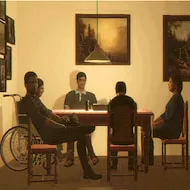
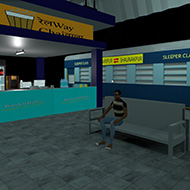
Dead Plate opens with a premise mundane enough to feel almost relaxing: seat customers, take orders, hit an income target, repeat. Rody wants to impress his girlfriend Manon with a good week’s earnings, and chef Vince runs the kitchen with the kind of vintage charm that makes the whole setup feel period-appropriate rather than threatening.
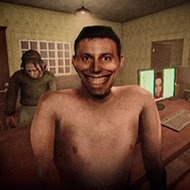
The unease creeps in sideways rather than announcing itself. Small details don’t line up quite right, a comment from Vince lands a beat off, a dish goes out that nobody remembers ordering, and Dead Plate never rushes to explain any of it directly, trusting you to notice the seams before the story does.
Serving Tables While Piecing Together a Mystery
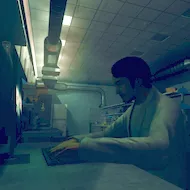
The management side of the game demands real attention: seating guests promptly, tracking orders accurately, and hitting the day’s income goal all compete for your focus, and falling behind on the restaurant side of things has real consequences for how the week plays out. Players who treat the management loop as pure backdrop tend to miss how tightly it’s woven into the horror pacing.
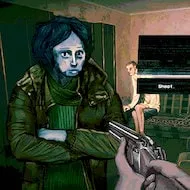
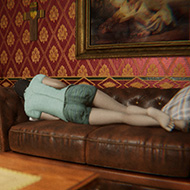
Between shifts, exploration sections let you search apartments and other spaces for details the dining room never reveals, and this is where Dead Plate’s dread actually accumulates. Odd dreams and unsettling fragments about Vince’s history surface gradually, and skipping these optional stretches means finishing the week without understanding why the bistro felt wrong in the first place.
Multiple Endings Depending on What You Chase
How much you investigate directly shapes which ending you reach, and Dead Plate offers routes ranging from a quiet, unresolved exit to a direct confrontation with Vince himself. Collecting certain items, exploring specific rooms, and choosing when to push suspicion versus staying quietly professional all factor into which version of the week you end up living through.
Players focused purely on hitting income targets efficiently often land on the quieter endings almost by accident, while players who prioritize digging into every odd detail tend to end up in the more confrontational branches, sometimes without fully realizing how their choices steered things there.
Is Dead Plate more about horror or restaurant management?
It blends both deliberately, using the management loop of seating guests and hitting income goals as the steady rhythm the horror elements interrupt gradually, so neither half works quite as well without the other.
Does exploring outside the restaurant matter for the ending?
Yes, the apartment and exploration sections between shifts reveal context about Vince and the bistro’s history that directly shapes which of the game’s multiple endings you’re steered toward by the final day.
What happens if you fail to meet Vince’s income goals?
Falling behind on income affects how the week’s pacing plays out and can push you toward different narrative outcomes, making the management side of Dead Plate genuinely consequential rather than just a gameplay layer sitting on top of the story.
Dead Plate earns its unease by making Rody’s ordinary week at the bistro feel worth trusting right up until it isn’t, and it’s the gap between what Vince says in the kitchen and what Rody finds while exploring alone that turns a simple income goal into the week you can’t stop thinking about.